
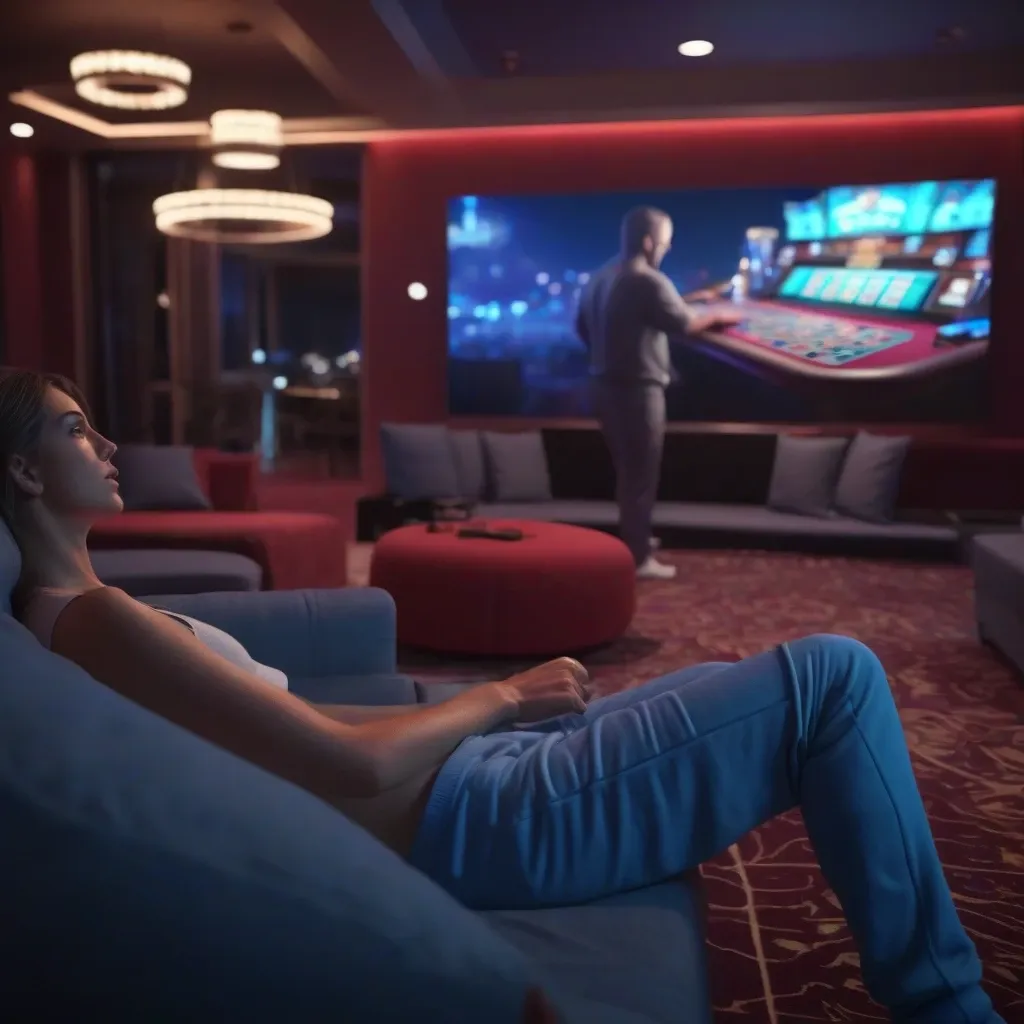
Picture this: you’re sprawled on your couch in sweatpants, yet your heart is pounding like you’re leaning over a felt table in Monte Carlo. That’s the weird magic of live dealer casinos. They’re not just a flashy feature anymore; they’re the fundamental shift in how people play real money online. The industry data backs it up—market reports scream that by 2026, live dealer games will swallow a massive chunk of online casino trends, moving from niche to necessity. Why? Because players got tired of RNGs feeling like black boxes. They wanted to see a real human shuffle, spin, smile, and smirk. This isn’t some passing gimmick. It’s a direct response to the demand for total transparency and actual social connection in a digital world. You can’t fake the energy of a real croupier dealing you cards on a 4K stream. I’ll break down exactly why this is happening and what it means for you as a player—because once you go live, clicking random buttons just feels… hollow.
1. The Trust Deficit: Why Players Are Flocking to Real-Time Games
The core reason live dealer games are taking over? It’s trust. Plain and simple. For years, standard online casinos operated behind a digital curtain. Players clicked “Spin” or “Deal,” and an invisible algorithm called a Random Number Generator (RNG) decided the outcome. This created what industry insiders call the “black box” problem. How can you trust a machine you never see? Skepticism wasn’t just paranoia; it was logical. Players yearned for proof. Enter live streaming. It’s like watching a chef craft your meal from scratch instead of microwaving a pre-packaged dinner. You see the fresh ingredients; you see the process; you taste the difference. In online gambling, that difference is visibility. When a human croupier physically shuffles cards or spins a wheel on a video stream, the entire dynamic shifts. The game stops feeling like a cold code execution and starts feeling like a real event. Industry reports consistently rank trust as the number one factor driving players to live dealer formats. Observations of player retention patterns show that once someone tries live dealer blackjack, the automated version quickly loses its appeal. That tactile, human element simply can’t be coded.
1.1 The Death of the ‘Rigged Game’ Myth
Live dealer technology systematically dismantles the old “rigged game” conspiracy. The setup is meticulously transparent. Multiple camera angles capture every angle of the action—a slow-motion replay can zoom in on a disputed card or a spinning chip. You witness the deck being visibly shuffled and cut by real hands. Games like Lightning Roulette and Infinite Blackjack leverage this format not just for flash, but for accountability. Each round is a public spectacle, not a private server calculation. This is the closest we have to perfect transparency in remote gambling. The myth doesn’t just die here; it gets buried under high-definition video evidence.
2. The Social Renaissance: Recreating the Casino Floor at Home
For years, the knock against online gambling was the loneliness. You versus a screen, an RNG, and the void. That narrative is dead. Live dealer casinos flipped the script entirely—this isn’t about winning money, it’s about the shared connection. You get that real crowd energy, the banter, the inside jokes. It’s the ‘third place’ vibe: the living room meets the felt. The dealer becomes a host, a personality, not just a card handler.
You get the genuine tension in the chat during a big hand; someone goes all-in, and the comments explode. The emotional payoff is deeper than a payout. I recall a session where a dealer actually remembered a player’s birthday—how do you fake that with AI? It’s the antidote to the lonely gamer thing. You’re not isolated. You’re part of a crowd again. Player-to-player chat (when it’s on) adds another layer; it’s messy, chaotic, real. It’s high-touch humanity, beamed straight to your couch.
2.1 How Technology Enables ‘High-Touch’ Service
This isn’t a grainy webcam feed from someone’s spare bedroom. We’re talking serious infrastructure—optical fiber pumping 4K live casino streams from dedicated studios in places like Malta, Costa Rica, Latvia. It’s closer to a high-end sports broadcast than a Zoom call. Low latency streaming is the secret sauce: no lag between your click and the dealer’s reaction. That real-time flow makes the interaction feel seamless, electric. But the best part? The best operators invest heavily in dealer training. These aren’t just skilled card dealers—they’re professional entertainers trained to read the room, laugh at your jokes, and keep the energy up through a cold streak. That’s the ‘high-touch.’ That’s the tech enabling humanity.
3. Technological Leaps: What Makes 2026 the ‘Year of Live Dealer’
Live dealer isn’t just a feature anymore; it’s the actual foundation of modern online casino platforms. The tech stack has evolved so aggressively that 2026 feels like the tipping point. You’ve got three massive forces colliding: streaming has gone from okay to flawless, AI is quietly handling the messy backend stuff, and game show mechanics have turned the whole experience into a borderline TV production. Speed roulette isn’t a gimmick—it’s a physics challenge. Developers are using physics-based game engines to simulate wheel friction digitally, ensuring that the ball’s trajectory isn’t just random but truly chaotic. Even the studio lighting and camera angles are calculated by AI to reduce glare and latency. Then there’s the wildcard: operators are now sitting on mountains of data. They use it to personalize stakes per player, dynamically adjusting table limits based on who’s logged in. It’s not creepy; it’s smart. Consider the implications of a spacetime crystal—while not directly related to a live blackjack table, it shows that physics routinely informs game design. If reality can be structured at the atomic level, a roulette wheel can be tuned to near perfection. The tech isn’t a veneer; it’s the core infrastructure making everything possible.
3.1 Mobile Live Dealer: The Real Game Changer
Compare 2026 to the desktop-only dinosaur era of five years ago. Back then, you needed a laptop and a stable Ethernet cable. Now, mobile-first streaming with adaptive bitrate tech means you get crisp 1080p video even on a shaky 4G signal, adjusting frame-by-frame to your connection. The UX improvements are dead simple: one-tap betting, portrait mode for easy one-handed play, and seamless switching to landscape when you’re sitting down. Practical tip: if you’re playing on mobile, always use the ‘bet behind’ feature on busy tables to avoid waiting for a seat. It’s instant action, no queue.
3.2 The Fusion of Live and Digital: ‘Hybrid’ Gaming
This is where things get weird—in the best way. Games like Lightning Roulette or Dream Catcher are the poster children. They layer RNG-based multipliers (pure digital randomness) directlyon top* of a physical outcome like a wheel spin. The wheel is real, the host is breathing, but the 500x payout multiplier? That’s a random integer generated on the fly. It’s the best of both worlds: the trust of live action plus the shock value of digital bonuses. Bold prediction: this hybrid format is the future of all table games. Expect every classic game to get a digital multiplier overlay within 18 months.
The Operator’s Edge: Why Casinos Are Pushing Live Dealer
Let’s cut the fluff—casinos aren’t pushing live dealer just because you like it. There’s cold, hard math behind the curtain. From an insider perspective, the operator benefits are staggering. First, the house edge on side bets in live blackjack or baccarat is often higher than your standard RNG game. That’s pure margin juice. But the real money is in player retention. Live games have a brutal ‘stickiness’ factor; a player is far less likely to walk away mid-shoe because they’re socially invested in the table. Operators report a 30-40% increase in average session length compared to random number generator slots. That’s more hands, more bets, more rake. The churn rate plummets because you can’t just ‘pause’ a live dealer game like a video slot—you stay locked in. Plus, the data collection is superior. Every facial micro-expression, every bet delay, every chat interaction feeds a profile that allows operators to upsell VIP players with terrifying precision. It’s not manipulation—it’s a better product that happens to print money for the house. The ROI on a live dealer table is savage.
4.1 The Future: What to Expect from Live Dealer by 2030
Bold and chaotic is the only way to describe what’s coming. By 2030, we will likely see a ‘holodeck’ casino—imagine choosing your dealer’s personality like a Netflix profile: friendly, serious, or funny. The tech isn’t vaporware. Using complex systems research (think Fields Medal-level math), AI croupiers will read the table’s energy, adjusting banter and tempo to maximize your engagement. But the ultimate goal is trust. VR live dealer will place you in a virtual room where every card shuffle is a transparent process, fully verified by an AI audit trail. The metaverse casino won’t be a gimmick—it will be a reality where you can walk up to a real dealer cloned into the digital space. And here’s the kicker: the dealer will never tilt, never make a mistake, and the house will never cheat. A fully transparent, AI-verified live stream is the singular goal. The dealer becomes a ghost in the machine, and you just play.
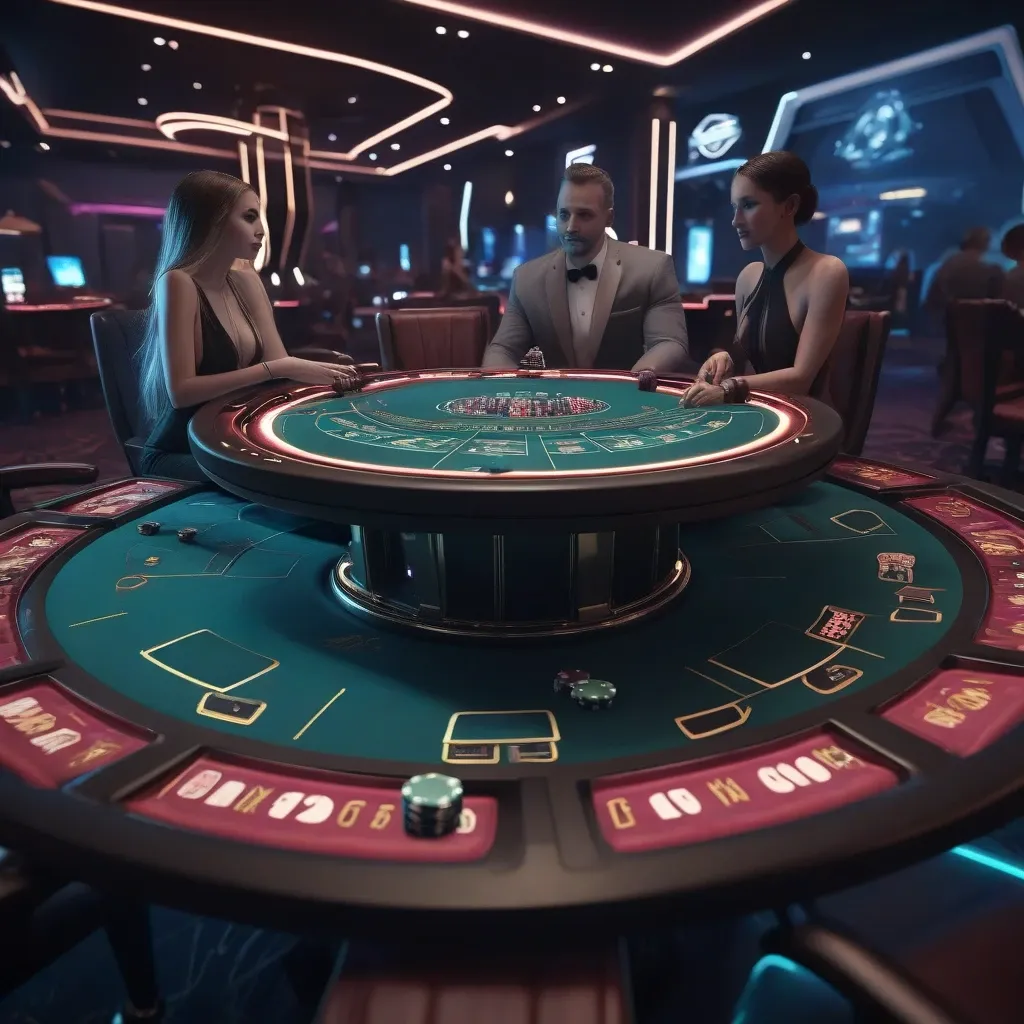
5. Actionable Guide: How to Choose Your First (or Next) Live Dealer Casino
First, check the studio’s licensing. A real gambling commission – Malta, UK, Curacao – keeps the tables honest. Second, test the stream latency by joining a free-play or low-stakes table. If the dealer’s cards load three seconds after they’re flipped, run. Third, read the game rules carefully for side bets. Those “perfect pairs” or “21+3” options look fun but carry a house edge that can chew through your bankroll faster than a bad beat. Fourth, evaluate the bonus terms – are live dealer games weighted the same as slots? Most casinos give only 10% or 20% of your live bets toward wagering requirements, so a flashy welcome offer might be useless if you prefer blackjack or roulette.*Pro-tip:** Never accept a live dealer bonus with a 50x wagering requirement on blackjack; the house edge makes it nearly impossible to clear unless you’re playing for fun with free money you don’t mind losing. Also, cross-check the game selection – do they offer Infinite Blackjack, Speed Baccarat, or Lightning Roulette? Variety keeps the session fresh. Finally, peek at the betting limits – high-rollers need a VIP studio, low-rollers should find tables starting at $1 or €0.50.
—
5.1 The Golden Rules of Live Dealer Etiquette
Want to become a table regular? Follow these unwritten rules. (1) Don’t spam the chat during the deal – nobody cares about your emoji spam when the dealer is handling cards. (2) Be respectful to the dealer: they’re real people working a tough rotation, not robots. (3) Know the basic rules of the game before joining – asking “how do I split aces?” mid-round annoys everyone. (4) Don’t slow-play your bets intentionally; taking thirty seconds every hand kills the pace. Stick to these and you’ll get greeted by name.